

Chinese company Envision to build a plant to produce batteries for electric cars in Spain
China's Envision aiming to produce EV batteries that volition offer 1,000 km range, shorter charge times past 2024
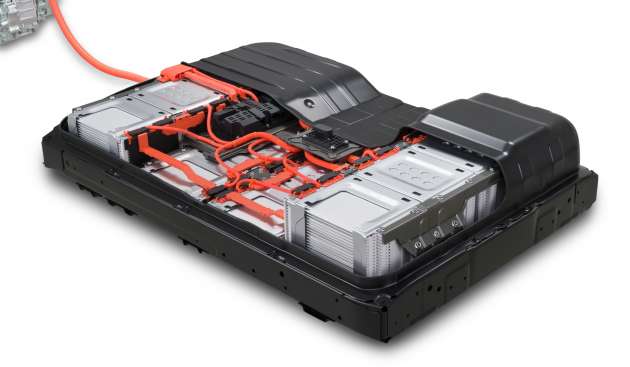
Envision AESC is reportedly gear up to begin mass producing EV batteries that will give vehicles a driving range of at least 1,000 km erstwhile in 2024, the Nikkei reports. The company, owned by Chinese renewable energy company Envision Grouping, is targeting to double the number of battery cells in each automobile, and volition pack the cells closely together to better storage efficiency, which will shorten the charging fourth dimension needed by effectually 30% to under 20 minutes.
While increasing the number of battery cells will make vehicles heavier, this volition be commencement by the increased driving range. The company is as well hoping to increment production capacity past tenfold over existing levels by the end of this decade.
The battery maker volition kickoff building a new plant in Ibaraki Prefecture near Tokyo, that will begin production in 2024. The plant volition include a production line using energy from solar panels within the premises that volition cut its carbon dioxide emissions to aught.
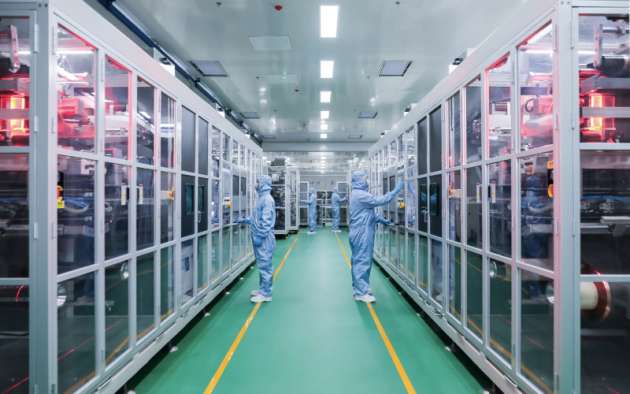
Automotive Free energy Supply Corp (AESC) was previously owned past Nissan, simply the Japanese automaker sold off a bulk pale to Envision in 2019. Envision Grouping has an 80% stake in Envision AESC, with Nissan owning the remaining twenty%. The company also took over Nissan's bombardment assets in Smyrna, Tennessee and in Sunderland, England, as well equally NEC Energy Devices, which produces battery electrodes.
The company primarily supplies its batteries to Nissan for its Leaf EV, with effectually ninety% of its production shipped to Nissan. However, the bombardment maker hopes to add other Japanese, Chinese, and European automakers to its client list, and is looking to have other customers making upwards one-half of its transactions by 2025, CEO Shoichi Matsumoto told the Japanese publication.
Down the line, Envision is also aiming to marketplace its all-solid-state battery, and will build new plants in Japan, Cathay, the UK, France and the United states by the end of the decade and expand production chapters of all-solid-country batteries and lithium-ion batteries to a level equivalent to more than 1.1 one thousand thousand EVs.

Anthony Lim believes that nothing is better than a expert smoke and a motorcar with character, with good treatment aspects being top of the prize heap. Having spent more than than a decade and a half with an English language tabloid daily never being able to grasp the pregnant of brevity or being succinct, he wags his tail furiously at the thought of waffling - in greater detail - about cars and all their intrinsic peculiarities hither.
Previous Post: 2022 Ford Ranger XLT Plus Special Edition launched in Malaysia: Raptor grille, fender flares, priced at RM137k
Next Postal service: Volkswagen eastward-Up! available to society in Germany over again
Source: https://paultan.org/2022/02/23/chinas-envision-aiming-to-produce-ev-batteries-that-will-offer-1000-km-range-shorter-charge-times-by-2024/
Posted by: carwilethenter2001.blogspot.com
0 Response to "Chinese company Envision to build a plant to produce batteries for electric cars in Spain"
Post a Comment